
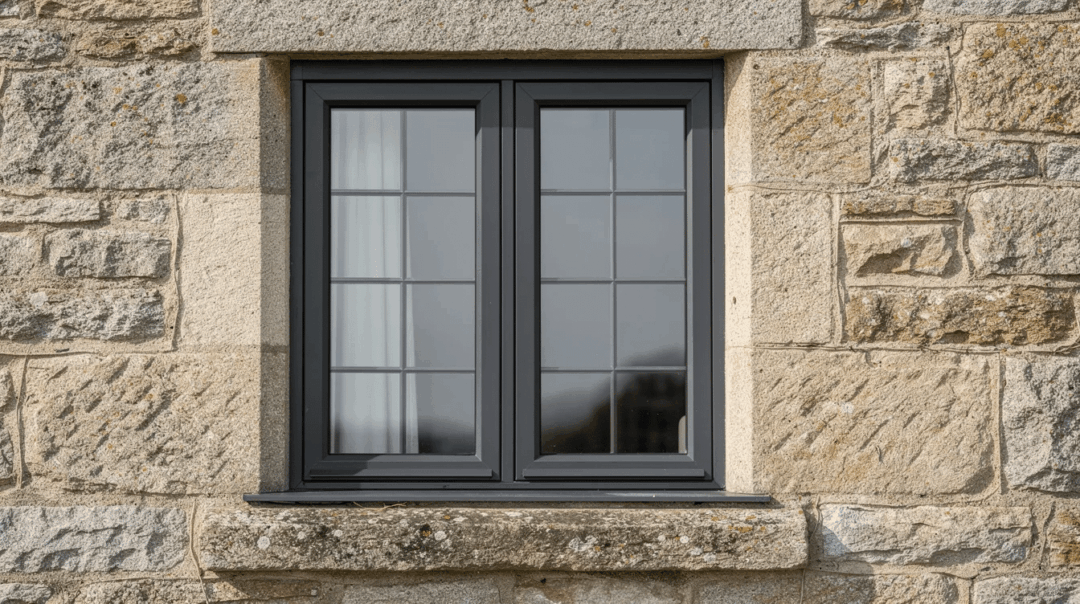
Heritage metal windows are one of those architectural details that quietly define a building's character. Get them right, and a period property sings. Get them wrong - or worse, rip them out for chunky plastic replacements - and something essential is lost. This guide covers everything you need to know about choosing, restoring, and installing heritage metal windows for period homes across the UK.
Key Takeaways
- Heritage metal windows blend period aesthetics and modern performance, making them ideal for listed buildings and conservation areas when authentically restored or recreated.
- Emery's Metal Windows hand-builds bespoke flat-iron casement steel windows and doors in their Plymouth workshop, delivering a perfect fit for properties across the UK - a commitment maintained since 1971.
- Owners can choose between single glazing or slimline double glazing, traditional leaded lights, and a wide range of colours and hardware including sliding stay and peg stay options.
- Sympathetic replacement or restoration protects the character and resale value of period properties, from Victorian cottages to 1930s steel-framed homes.
- This article covers design options, security benefits, planning considerations, and how to start a project with Emery's Metal Windows.
What Are Heritage Metal Windows?
Heritage metal windows are traditional steel and wrought-iron casement windows commonly found in UK properties from the late 1800s to the mid-20th century - spanning Arts & Crafts, Edwardian, interwar, and early post-war styles. Steel-framed windows are significant features in many 20th-century buildings, and their authentic profiles are essential for preserving architectural character.
Typical construction involves slim steel or flat-iron frames with multi-pane glazing (often leaded), side-hinged casements operated by handles and peg stays. Heritage metal windows feature historically accurate proportions and detailing, with ultra-slim sightlines that set them apart from modern uPVC and standard aluminium. Where uPVC frames appear bulky with mock glazing bars, genuine steel windows offer fine, crisp lines engineered for elegance.
Emery's Metal Windows focuses on hand-built heritage metal windows - not mass-produced systems - using traditional fabrication methods developed in their workshop since 1971. These windows are most often seen in:
- Listed farmhouses and Victorian villas
- 1920s garden suburbs and 1930s "Sunshine" houses
- Historic schools, chapels, and commercial buildings
Why Keep - or Recreate - Heritage Metal Windows in Period Properties?
Original steel windows and doors are central to the character and monetary value of a period property. Here is why they matter.
Character and authenticity. Original metal windows set the rhythm of a façade - the spacing of mullions, the proportion of glass to frame. Replacing them with chunky profiles disrupts this balance. Conservation officers in Plymouth and across Britain usually expect like-for-like metal replacements in listed buildings and Article 4 conservation areas. Historic England advocates for repair over replacement to maintain original fabric in historical renovations, and retaining original windows is often recommended over replacement for preserving historical integrity. Heritage metal windows designed to replicate traditional styling can enhance property value.
Light and views. Slim sightlines in metal frames allow maximum glass area for natural light. A heritage steel casement typically offers noticeably more glass area than a plastic equivalent in the same opening - a difference you feel immediately inside the house.
Longevity and repairability. Steel windows are designed to last for decades with proper care - well-made examples can exceed 60–80 years. Emery's can carry out restoration work including de-glazing, de-rusting, straightening warped frames, repainting, reglazing, and fitting new accessories. Steel windows are made from recycled materials and are durable, and steel windows are made from nearly 100% recycled materials, giving them strong sustainability credentials.
Planning value. Retaining or recreating authentic metal windows helps secure planning approvals and preserves the long term performance of your investment.
Steel Windows vs Other Materials for Period Homes
Homeowners often weigh traditional steel windows against aluminium "steel-look" systems and uPVC. Each has a place, but they are not interchangeable for heritage work.
Steel vs aluminium. Slimline aluminium windows replicate the aesthetic of steel and aluminium windows are lighter and more energy-efficient than steel. Aluminium windows can last up to 25 years longer than uPVC, making them a credible option for contemporary design projects. Heritage metal windows are often made from high-grade steel or thermally broken aluminium. Emery's sister company, Heritage Windows Direct, offers aluminium for budget-led or modern schemes - but for strict heritage work on listed properties, hand-built steel windows doors remain the gold standard. Aluminium windows can replace traditional steel frames where conservation rules permit.
Steel vs uPVC. uPVC is rarely appropriate for listed or sensitive period properties. Frames are bulkier, service life is typically 20–30 years, and the visual mismatch is obvious. Most conservation officers discourage uPVC where steel or timber were originally used. Materials used must replicate the historical appearance of original windows.
Thermal performance. Single-glazed steel windows have U-values around 5.4–5.8 W/m²K. Modern slimline double glazing brings this down to approximately 1.0–2.8 W/m²K centre-pane, approaching the performance of good aluminium systems. Modern steel windows meet current thermal performance standards. Where double glazing is not permitted on Grade I or Grade II* buildings, secondary glazing can improve thermal performance in historic buildings without full replacement.
Maintenance and lifespan. Steel windows require minimal maintenance for longevity. Crittall windows are virtually maintenance free with simple cleaning. Modern heritage metal frames require minimal maintenance compared to timber, and modern steel windows have minimal maintenance requirements overall.
Design Options: Making Heritage Metal Windows a Perfect Fit
All Emery's steel windows and doors are bespoke, manufactured to measure in their Plymouth workshop to suit individual openings and architectural styles. Steel windows can be tailored to fit any shape or size, and modern heritage systems can be custom bent to fit unique architectural features. Steel windows can achieve large heights and openings for grander period properties.
- Frame styles: Side-hung casements, fixed lights, top hung windows, and combinations suited to 1890–1950 architecture - from three-light cottage casements to wide multi-pane 1930s bays and screens.
- Glazing choices: Single glazed heritage steel windows for strict conservation needs, or slimline double glazed units (approximately 14–18mm total thickness) with argon or krypton gas fill for improved energy performance while retaining fine sightlines.
- Leadwork and bar patterns: Authentic leaded light options - diamond, rectangular, Queen Anne, and bespoke patterns - are regularly reproduced. Glazing bars can be matched to original widths using historic photographs or surviving windows to replicate the timeless design.
- Colours and finishes: Frames are typically hot-dip galvanised and polyester powder coated for durability. Steel windows can be customized in over 200 RAL colors. Crittall windows offer various bespoke colour options including black and grey. High-quality finishes in heritage metal windows enhance durability and corrosion resistance, and modern finishes help prevent premature rusting on heritage metal windows in coastal environments.
- Doors to match: Emery's can create steel windows and doors in the same style for garden rooms, internal partitions, French doors, or single doors - delivering a coherent aesthetic across the property.

Traditional Hardware: Handles, Sliding Stays and Peg Stays
Authentic hardware is crucial to the appearance and feel of heritage metal windows. Emery's supplies and fits period-appropriate ironmongery, including products from makers like Frank Allart, to complete every project.
- Casement handles: Typical styles include straight, bulb, scroll, and Art Deco influences crafted to suit early-20th-century metal casements. A wide range of hardware finishes is available for steel windows, including black, pewter, brass, and bronze. Customization includes a choice of handles and hardware styles to match the rest of the windows and doors.
- Sliding stay: A sliding stay allows a window to be held at several open positions for ventilation while providing a degree of security. Emery's can specify stays with restrictor positions for upper floors or family homes.
- Peg stay: The classic bar with holes that locates over pegs on the sill, common on 1920s–1940s metal casements. Both straight peg stay and gently curved options are available to suit different periods.
- Locks and security hardware: Multi-point locking, discrete shoot-bolts on tall casements, and laminated security glass where higher security benefits are needed. Emery's balances modern security with faithful external appearance.
Energy Efficiency, Comfort and Security Benefits
The perception that traditional steel windows are "cold" is understandable but increasingly outdated. Modern detailing has changed the equation significantly.
Thermal performance. Thermal break technology drastically reduces heat loss in modern heritage windows. Modern heritage metal systems use advanced thermal breaks and double or triple glazing. Slimline double glazing paired with warm-edge spacer bars delivers dramatically improved U-values compared with original single-glazed metal windows. Steel windows are thermally efficient and attractive. Where double glazing is not permitted, Emery's can install traditional secondary glazing to reduce heat loss while preserving original frames.
Condensation control. Condensation is linked to indoor humidity and ventilation as much as to the window itself. Well-sealed frames, trickle ventilation where allowed, and good household airflow reduce the risk on new heritage windows.
Acoustic comfort. Modern glazing helps reduce traffic noise - an important upgrade for period homes in busy locations, paired with the vision of preserving architectural integrity.
Security benefits. Steel windows provide excellent security features. Steel windows are resistant to weather and provide reliable security. The inherent strength of steel frames stands well above softer materials, and options such as laminated glass, robust locking points, and secure hardware deliver peace of mind, especially on ground-floor windows and doors.
Working with Emery's Metal Windows: From Survey to Installation
Emery's Metal Windows is a specialist workshop in Plymouth, established in 1971, supplying handcrafted heritage steel windows and doors across the UK. The team specialise in every stage of the process.
- Initial advice and quotation. Homeowners, architects, and builders can send measurements, photographs, and conservation requirements for an initial discussion. Emery's can advise whether restoration, part-replacement, or complete replacement metal windows best suit the property.
- Survey and design. On-site surveys capture exact opening sizes, frame profiles, and historic details. Drawings showing frame layouts, glazing patterns, and hardware positions are prepared for client and conservation officer approval. Careful planning is essential for heritage window projects in Plymouth due to local regulations.
- Manufacture. Skilled fabricators in the Plymouth workshop cut, weld, and dress the steel, then galvanise and powder coat each frame. Every detail - hinges, drip bars, weather seals, glazing beads - is designed to match the original period.
- Installation. New steel windows and doors are fitted, pointed, and sealed to minimise disruption to historic fabric. Safe removal and recycling of old metal windows is handled where replace is required. The installer ensures the property remains secure throughout.
- Aftercare. Periodic cleaning, checking drainage holes, and touching up paint chips early prevent rust and maintain the finish. Humidity and maritime exposure in Plymouth necessitate robust weather protection for metal windows. Emery's can provide touch-up paint and long-term maintenance advice specific to each project.

Common Questions
Below are focused questions and concise answers about heritage metal windows covering ground not fully addressed above.
Can heritage steel windows meet modern building regulations for energy performance?
In unlisted properties, Emery's can usually specify slimline double glazing and improved sealing that help meet current Part L requirements, depending on the overall building design. Listed buildings and certain conservation area projects may be exempt, with the emphasis on "improving where reasonably practicable" while preserving historic character. Plymouth features numerous conservation areas requiring planning compliance for window replacement. Emery's can provide technical data to support applications - contact the team to discuss your measure and requirements.
Do I always need planning permission to replace old metal windows?
For Grade I, Grade II, and Grade II* listed buildings in England and Wales, listed building consent is almost always required for changing original windows, even on a like-for-like basis. Listed buildings in Plymouth need Listed Building Consent for any window alterations. In conservation areas, replacing metal windows with visibly different designs or materials may also need planning approval. Conservation areas in Plymouth are subject to strict oversight regarding window profiles, and Plymouth has strict conservation rules in historic districts regarding window sightlines and materials. Emery's can work alongside homeowners, architects, and conservation officers to develop acceptable proposals and supply detailed drawings.
How long does a typical heritage metal window project take from order to installation?
A realistic timescale: 2–4 weeks for surveys and approvals (longer if planning consent is needed), followed by 8–12 weeks for manufacture in the Plymouth workshop depending on project size and complexity. Installation on a typical three-bedroom residential house might take several days to a week, scheduled to minimise disruption and keep the property secure. Contact Emery's early if you have fixed deadlines tied to other renovation works or rental commitments - pricing and scheduling can be discussed upfront.
Can you match the design of my existing 1920s or 1930s steel windows?
Emery's regularly reproduces period-specific details such as slim mullions, transoms, curved heads, and authentic leaded patterns for interwar homes. The team can copy surviving original metal windows, use archive photos, or work from neighbouring houses on the same estate to achieve a convincing match across the life of the building. Hardware, sliding stay, and peg stay styles can also be chosen to reflect the correct architectural period, and industry awards for heritage craftsmanship stand as a test of quality.
Do Emery's only work in the South West of England?
Although the workshop is based in Plymouth, Emery's supply heritage metal windows and doors to projects across the UK. Site visits are prioritised for larger or more complex projects, while simpler replacement windows can sometimes be supplied on a survey-by-others basis with access arranged remotely. Readers from any location in Britain are welcome to get in touch with measurements and photos so the team can answer questions on feasibility and logistics.